


Dubai’s Gateway: Navigating the Global Steel Import/Export Market

Dubai’s Gateway: Navigating the Global Steel Import/Export Market
The shimmering skyline of Dubai, a testament to relentless innovation and ambition, stands as more than just a symbol of architectural marvel. It is a bustling nerve center of international trade, a vibrant hub that connects continents and facilitates the flow of goods across the globe. Among the myriad commodities that traverse its state-of-the-art ports and logistics networks, steel holds a particularly significant position. As a foundational material for construction, infrastructure, and manufacturing, the steel industry is a barometer of economic health and a catalyst for development. This article delves into Dubai’s crucial role as Dubai’s Gateway: Navigating the Global Steel Import/Export Market, exploring the strategic advantages, infrastructure, regulatory environment, and future outlook that solidify its standing as an indispensable player in the global steel trade.
From the towering skyscrapers that define its urban landscape to the expansive industrial zones that power its economy, the UAE’s demand for steel is insatiable. Yet, Dubai’s influence extends far beyond its domestic needs, serving as a critical re-export hub for the wider Middle East, Africa, and South Asia. Understanding the intricate dynamics of this market requires a close examination of Dubai’s unparalleled logistical capabilities, its investor-friendly policies, and its proactive approach to embracing innovation. This comprehensive exploration will highlight why businesses looking to engage with the global steel trade often find their most efficient and reliable path leads directly through Dubai.
Dubai’s Strategic Location and Unrivaled Infrastructure
Dubai’s position on the world map is, in itself, a strategic asset. Situated at the crossroads of Europe, Asia, and Africa, it offers unparalleled access to major markets and supply chains. This geographical advantage is complemented by an infrastructure network that is second to none, designed to handle immense volumes of cargo with exceptional efficiency. This combination makes Dubai an essential conduit for steel products, facilitating both their entry into the region and their onward distribution globally. The emirate, alongside its neighbors Abu Dhabi and Sharjah, has invested heavily in creating a seamless ecosystem for trade.
Jebel Ali Port: A Pillar of Global Trade
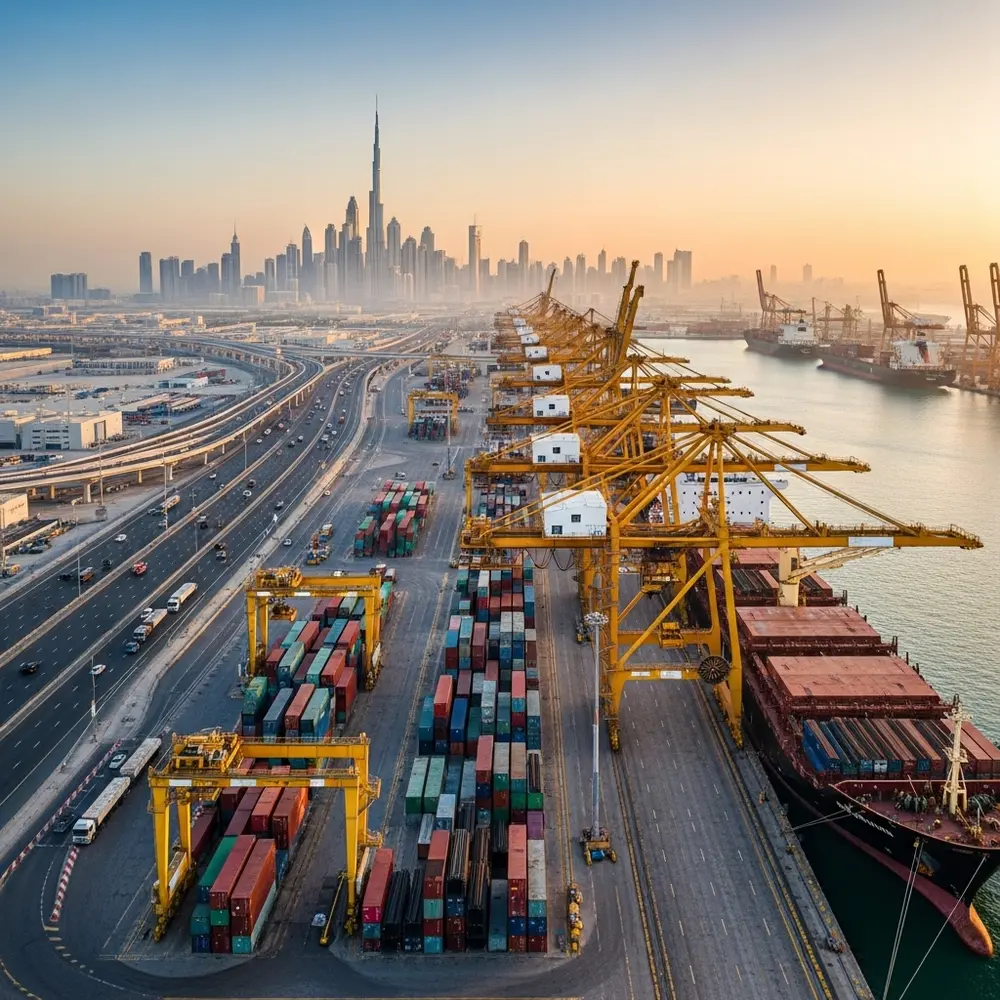
At the heart of Dubai’s logistical prowess lies Jebel Ali Port, one of the world’s largest man-made harbors and a flagship operation of DP World. This mega-port boasts an extraordinary capacity, capable of handling millions of TEUs (Twenty-foot Equivalent Units) annually, along with specialized facilities for bulk cargo, including various forms of steel. Its deep berths, advanced cranes, and extensive storage areas make it an ideal entry point for raw materials and finished steel products. The port’s connectivity to over 150 shipping lines and its integration with an extensive road and air transport network ensure that steel arriving in Dubai can be quickly and efficiently moved to its final destination, whether domestic or international. This robust infrastructure is pivotal to Dubai’s role as Dubai’s Gateway: Navigating the Global Steel Import/Export Market.
Advanced Logistics and Supply Chain Networks
Beyond Jebel Ali Port, Dubai’s logistics infrastructure extends to world-class airports like Al Maktoum International Airport (Dubai World Central – DWC) and a sophisticated road network that connects to all major cities in the UAE, including Abu Dhabi and Sharjah. The synergy between sea, air, and land freight ensures rapid transit times and reduced costs for businesses operating in the steel sector. Additionally, integrated free zones, such as Jebel Ali Free Zone (Jafza), provide dedicated storage, processing, and re-export facilities, further streamlining the supply chain for steel traders. These zones offer significant benefits, including customs exemptions, 100% foreign ownership, and repatriation of capital and profits, making them highly attractive for businesses engaged in international trade.
The UAE’s Role in the Global Steel Landscape
The United Arab Emirates is not merely a transit point for steel; it is also a significant consumer and, increasingly, a producer of steel products. The continuous development across Dubai, Abu Dhabi, and Sharjah, driven by ambitious construction projects and economic diversification strategies, fuels a robust domestic demand for steel. This internal market, combined with strategic regional re-export capabilities, positions the UAE as a central player in the global steel narrative.
Domestic Demand and Mega-Projects
The skyline of Dubai, with its iconic structures like the Burj Khalifa, and ongoing developments such as Expo City Dubai and various urban expansion projects, underscores the immense demand for structural steel, rebar, and other steel products. Similarly, Abu Dhabi’s vision for economic diversification, including industrial zones and residential developments, and Sharjah’s continuous infrastructure upgrades contribute significantly to the national appetite for steel. This sustained local demand provides a stable base for steel importers and re-exporters operating out of Dubai, reinforcing its status as Dubai’s Gateway: Navigating the Global Steel Import/Export Market.
Manufacturing and Fabrication Capabilities
The UAE has also cultivated a strong domestic steel manufacturing sector, with major players like Emirates Steel Arkan in Abu Dhabi contributing significantly to the regional supply. While the UAE remains a net importer of certain steel products, its local production capabilities help to stabilize supply and provide opportunities for value addition, such as steel fabrication and processing. This dual role—as a consumer and a producer—enables Dubai to offer a comprehensive ecosystem for steel businesses, from sourcing raw materials to delivering customized steel solutions.
Regulatory Framework and Business Environment
One of Dubai’s most compelling advantages for international businesses, particularly in a complex sector like steel, is its progressive regulatory framework and highly favorable business environment. The government has consistently implemented policies designed to attract foreign investment, simplify trade processes, and ensure a transparent and efficient marketplace.
Free Zones: Magnets for Steel Traders
Dubai’s extensive network of free zones, particularly Jafza, is a game-changer for steel import and export businesses. These zones offer numerous incentives, including full foreign ownership, zero corporate and personal income taxes, duty-free imports and re-exports, and streamlined customs procedures. For companies dealing with large volumes of steel, the ability to store, process, and re-export without incurring significant duties until the final destination provides a substantial competitive edge. These free zones also foster an environment of innovation and collaboration, making them ideal for businesses seeking to optimize their supply chain solutions and expand their reach.
Streamlined Customs and Trade Facilitation
The Dubai Customs authority is renowned for its efficiency and adoption of advanced technologies. Digital platforms, electronic clearance systems, and robust trade facilitation measures significantly reduce processing times and administrative burdens for steel importers and exporters. This commitment to efficiency ensures that large consignments of steel can move through the port and customs checkpoints with minimal delays, a crucial factor in maintaining competitive pricing and timely delivery schedules. Navigating these regulatory landscapes often requires expert knowledge, and firms specializing in global trade facilitation, such as Trilogy Universal, play a vital role in assisting businesses to leverage Dubai’s advantages fully.
Key Import and Export Corridors for Steel
Dubai’s position as a global gateway is evident in the diversity of its steel trading partners. The emirate serves as a crucial nexus for steel originating from various global manufacturing hubs and destined for a wide array of consuming markets. Understanding these corridors is key to appreciating Dubai’s indispensable role in the global steel ecosystem.
Major Importing Nations and Product Categories
The majority of steel imported through Dubai originates from major steel-producing nations such as China, India, Turkey, and various European countries. These imports typically include a broad spectrum of products: rebar (reinforcing bars) for construction, structural steel for frameworks, hot-rolled and cold-rolled coils, sheets, plates, pipes, and tubes. The consistent demand from the booming construction sectors in Dubai, Abu Dhabi, and Sharjah drives much of this import activity. Importers benefit from Dubai’s capacity to handle bulk shipments and its efficient logistics for distribution across the GCC.
Re-Export Markets and Value Chain
Beyond domestic consumption, a significant portion of the steel entering Dubai is destined for re-export. Dubai acts as a critical distribution hub for markets in the GCC, Sub-Saharan Africa, North Africa, South Asia, and even parts of Europe. The strategic location, combined with the comprehensive logistics infrastructure and favorable trade policies, allows Dubai to add value to the steel supply chain. Businesses can import steel, store it in free zones, and then re-export it to neighboring countries, often after minor processing or bundling. This re-export functionality is a core component of what makes Dubai Dubai’s Gateway: Navigating the Global Steel Import/Export Market, enabling companies to reach diverse client bases efficiently. Companies like Trilogy Universal provide expert logistics services that are crucial for managing these complex international shipments.
Challenges and Opportunities in the Steel Market
While Dubai offers an advantageous environment for steel trade, the global steel market itself is subject to various challenges and opportunities that traders must navigate. Price volatility, supply chain disruptions, and evolving regulatory landscapes are constant factors, but so too are the opportunities presented by emerging technologies and sustainable practices.
Price Fluctuations and Geopolitical Impact
The global steel market is inherently sensitive to fluctuations in raw material prices (iron ore, coking coal), energy costs, and geopolitical developments. Trade tariffs, political instability in key regions, and global economic slowdowns can all impact steel prices and supply chains. Traders operating through Dubai must possess robust risk management strategies and access to real-time market intelligence to mitigate these challenges. The resilience of Dubai’s infrastructure and its diversified trade partners help to cushion some of these impacts, but vigilance remains paramount.
Sustainability and Green Steel Initiatives
As global environmental awareness grows, the steel industry faces increasing pressure to adopt more sustainable practices. The shift towards “green steel,” produced with lower carbon emissions, presents both a challenge and a significant opportunity. Dubai, with its focus on innovation and sustainability (e.g., UAE Net Zero 2050 Strategic Initiative), is well-positioned to become a hub for the trade of sustainably produced steel. Businesses that can adapt to these evolving demands and offer eco-friendly steel products will find a receptive market and supportive ecosystem in Dubai. Navigating the complexities of international shipping for various types of steel, including green steel, requires significant expertise.
Leveraging Technology and Innovation
The steel trade is also witnessing a digital transformation. Blockchain technology, AI-driven analytics, and advanced supply chain management systems are enhancing transparency, efficiency, and traceability. Dubai’s smart city initiatives and its embrace of digital solutions make it an ideal testbed for implementing these innovations in the steel trade. Businesses that integrate these technologies can gain a competitive edge, optimizing their operations and enhancing their responsiveness to market changes. Firms like Trilogy Universal can assist businesses in optimizing their operations through advanced customs clearance assistance and supply chain management tools.
Future Outlook: Innovation and Growth
The future of Dubai’s steel import/export market appears robust, driven by continued infrastructure development, economic diversification, and a proactive approach to global trade dynamics. As global economies evolve, Dubai is committed to maintaining its competitive edge through strategic investments and forward-thinking policies.
The UAE’s ongoing mega-projects and the vision for Expo City Dubai’s legacy continue to ensure a steady demand for steel. Simultaneously, Dubai’s role as a re-export hub is expected to expand, reaching new markets and solidifying its position as a preferred partner for global steel manufacturers and distributors. Investment in advanced logistics, port expansion, and smart trade technologies will further enhance efficiency and capacity, making the process of navigating the global steel import/export market even more streamlined.
Furthermore, Dubai’s commitment to sustainability and green initiatives will likely reshape its steel trade. As the world moves towards a low-carbon economy, Dubai is poised to facilitate the trade of greener steel products, aligning with global environmental goals and attracting businesses that prioritize responsible sourcing and distribution. This adaptability and foresight ensure that Dubai will remain Dubai’s Gateway: Navigating the Global Steel Import/Export Market for decades to come, offering stability, growth, and innovation to the international steel community.
FAQ: Dubai’s Steel Import/Export Market
Q1: Why is Dubai considered a strategic hub for steel trade?
A1: Dubai’s strategic location at the crossroads of Europe, Asia, and Africa provides unparalleled access to major markets. This is amplified by its world-class infrastructure, including Jebel Ali Port, efficient customs, and free zones, which streamline the import, storage, and re-export of steel products.
Q2: What types of steel are primarily traded through Dubai?
A2: Dubai handles a wide range of steel products. Primarily, these include rebar (reinforcing bars), structural steel, hot-rolled and cold-rolled coils, sheets, plates, pipes, and tubes, largely driven by the extensive construction and infrastructure development in the UAE and surrounding regions.
Q3: How do free zones in Dubai facilitate steel import/export?
A3: Free zones like Jebel Ali Free Zone (Jafza) offer significant advantages for steel traders, including 100% foreign ownership, zero corporate and personal income taxes, duty-free imports and re-exports, and simplified customs procedures. These benefits allow businesses to manage large volumes of steel efficiently and cost-effectively.
Q4: What are the main challenges for steel traders operating in Dubai?
A4: While advantageous, steel traders in Dubai must navigate global challenges such as price volatility, supply chain disruptions, and geopolitical factors affecting supply and demand. Staying updated on market intelligence and having robust risk management strategies are crucial for success.
Q5: How does the UAE’s local steel production affect its import/export market?
A5: The UAE has domestic steel production capabilities, particularly from facilities like Emirates Steel Arkan, which help meet local demand and provide a stable base for the industry. While the UAE remains a net importer of certain steel products, local production contributes to the overall stability and diversity of the market, offering opportunities for value addition and balancing supply dynamics.
Conclusion
Dubai’s remarkable transformation into a global trade powerhouse is intrinsically linked to its pivotal role in the international steel market. Its strategic geographical position, combined with an unparalleled investment in infrastructure, a forward-thinking regulatory environment, and a commitment to innovation, firmly establishes it as Dubai’s Gateway: Navigating the Global Steel Import/Export Market. From facilitating massive construction projects in Dubai, Abu Dhabi, and Sharjah to serving as a vital re-export hub for diverse regions, Dubai offers an ecosystem designed for efficiency, reliability, and growth in the steel sector.
As the global steel market continues to evolve, shaped by technological advancements, sustainability mandates, and shifting geopolitical landscapes, Dubai remains at the forefront, adapting and innovating to meet future demands. For businesses seeking to optimize their steel trade operations, expand into new markets, or find a reliable partner in a complex global supply chain, Dubai presents an unmissable opportunity. Embrace the strategic advantages offered by this dynamic emirate, and leverage its robust infrastructure and supportive business environment to achieve your global steel trading objectives.
Ready to unlock the potential of Dubai’s steel import/export market? Partner with experts who understand the nuances of this dynamic environment. Contact us today to discover how your business can thrive by utilizing Dubai’s unparalleled trade gateway.